Overview of the Kilimanjaro Packing List
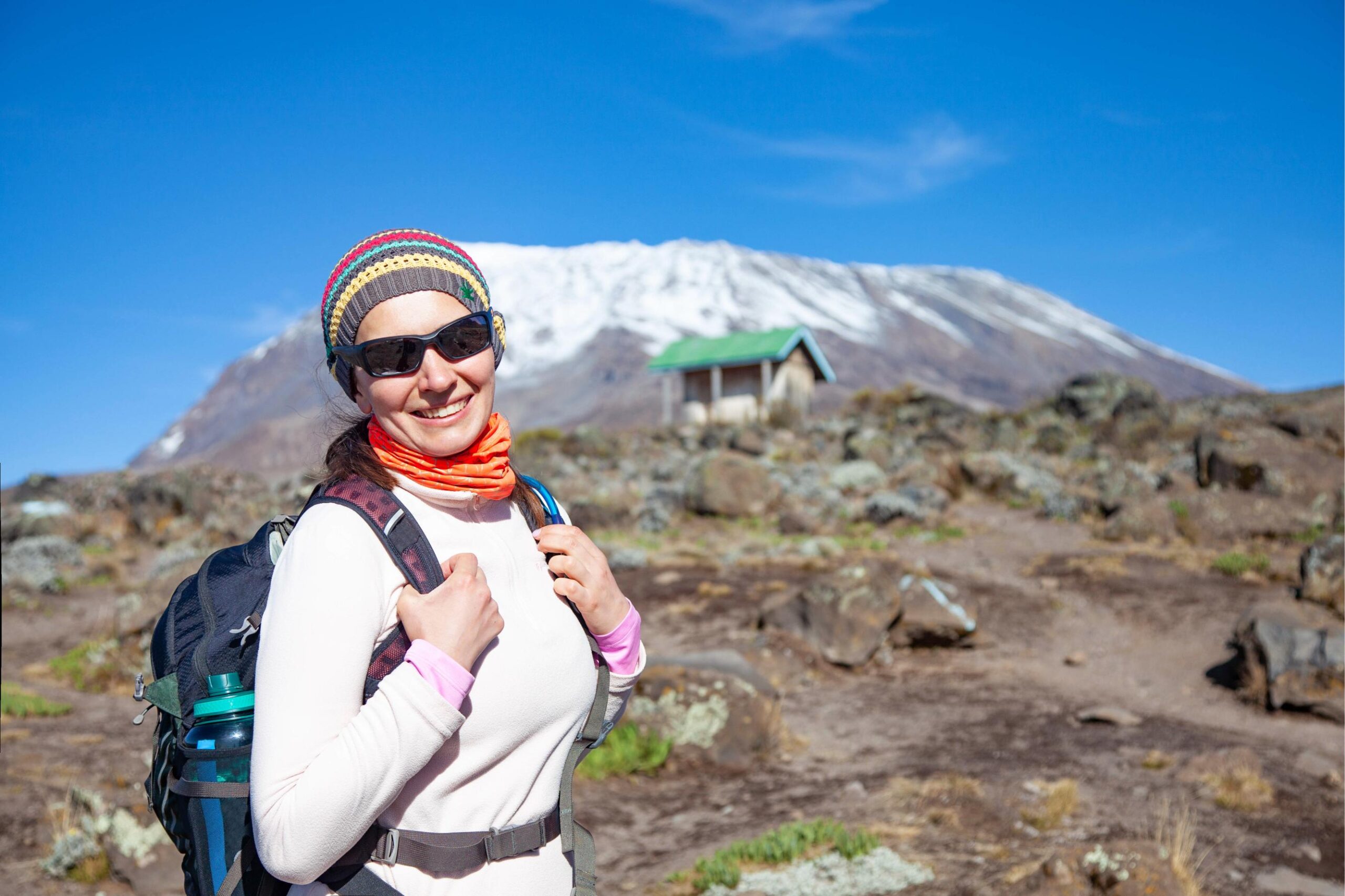
Preparing for a climb on Mount Kilimanjaro requires careful planning and the right equipment. Tanzania’s highest mountain rises to 5,895 meters (19,341 feet), taking climbers through multiple climate zones ranging from tropical rainforest to Arctic summit conditions.
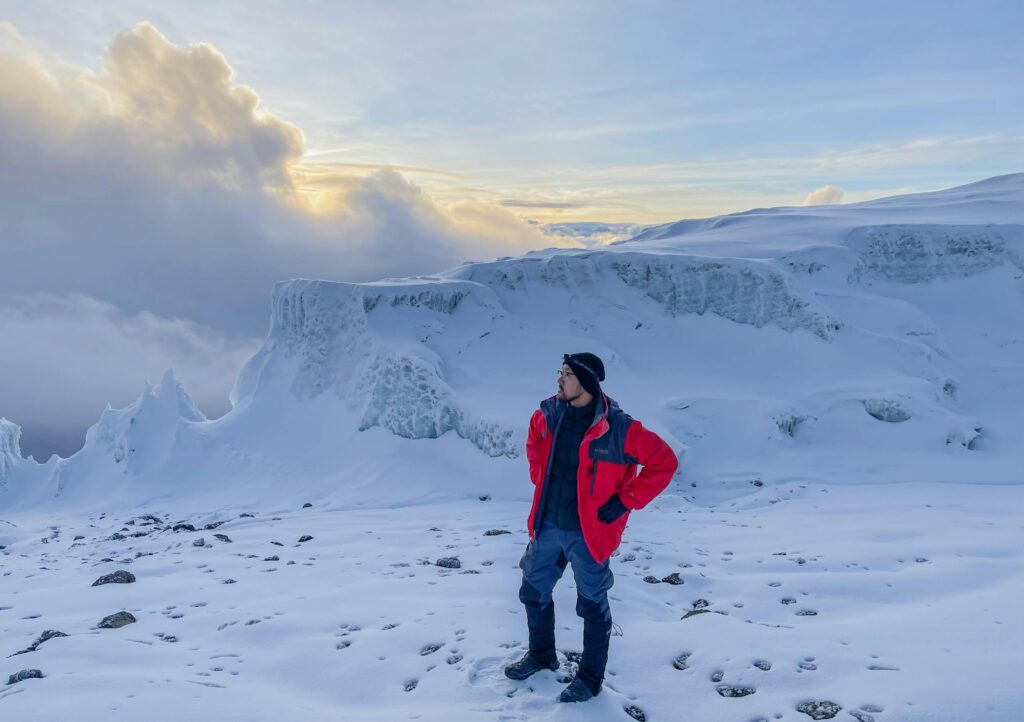
Having the correct gear can make the difference between a comfortable and successful summit and an unnecessarily difficult trek. Temperatures can range from over 25°C (77°F) at the base to as low as -20°C (-4°F) near the summit.
This comprehensive Kilimanjaro Packing List covers everything you need for your trek in 2026, 2027, and 2028.
Essential Kilimanjaro Packing Checklist
Important Travel Documents
Before arriving in Tanzania, ensure you have:
- Valid passport (minimum 6 months validity)
- Tanzania visa
- Travel insurance certificate
- Flight tickets
- Yellow Fever certificate (if required)
- Emergency contact information
- Cash (USD preferred)
- Copies of important documents
Duffel Bag and Daypack
Large Duffel Bag (90–120 Liters)
Your duffel bag is carried by porters throughout the trek.
Recommended features:
- Waterproof or water-resistant
- Durable construction
- Lockable zippers
- Capacity between 90–120 liters
Daypack (30–40 Liters)
You will carry this yourself during the climb.
Your daypack should hold:
- Water bottles or hydration bladder
- Snacks
- Camera
- Rain jacket
- Warm layers
- Personal medications
Clothing for Kilimanjaro Trekking
Base Layers
Base layers help regulate body temperature and wick away moisture.
Recommended
- 2–3 moisture-wicking shirts
- 2 thermal long-sleeve tops
- 2 thermal leggings
Avoid
- Cotton clothing
- Heavy materials that retain moisture
Mid Layers
Mid-layers provide insulation during colder sections of the climb.
Recommended
- Fleece jacket
- Lightweight insulated jacket
- Soft-shell hiking jacket
Outer Layers
A waterproof outer shell is essential.
Pack
- Waterproof rain jacket
- Waterproof hiking pants
- Windproof shell jacket
Your outer layer should be breathable and fully waterproof.
Insulated Summit Jacket
A quality down jacket is critical for summit night.
Recommended Features
- Down or synthetic insulation
- Hooded design
- Lightweight and warm
- Compressible for packing
Trekking Pants
Pack
- 2 hiking pants
- 1 waterproof over-pant
- 1 thermal bottom layer
Avoid
- Jeans
- Heavy cotton pants
Footwear
Hiking Boots
Proper hiking boots are one of the most important items on your packing list.
Requirements
- Waterproof
- Ankle support
- Well broken-in
- Suitable for mountain terrain
Never bring brand-new boots for your climb.
Camp Shoes
Bring lightweight shoes for relaxing at camp.
Examples:
- Trail shoes
- Sandals
- Lightweight sneakers
Socks
Recommended
- 4–5 pairs hiking socks
- 2 pairs thermal socks
- Moisture-wicking materials
Avoid cotton socks.
Headwear
Pack
- Sun hat
- Warm beanie
- Neck gaiter or buff
- Balaclava for summit night
These items help protect against sun, wind, dust, and cold temperatures.
Hand Protection
Pack
- Lightweight gloves
- Insulated summit gloves
- Waterproof outer gloves
Your hands can become extremely cold near the summit.
Sleeping Equipment
Sleeping Bag
A high-quality sleeping bag is essential.
Recommended Rating
- -10°C to -20°C (14°F to -4°F)
Features
- Four-season design
- Mummy shape
- Lightweight insulation
Sleeping Bag Liner
Provides:
- Extra warmth
- Improved hygiene
- Greater sleeping comfort
Hydration Equipment
Staying hydrated is critical for acclimatization.
Pack
- 2–3 liter hydration bladder
- Water bottles
- Electrolyte tablets
Aim to drink 3–4 liters daily during the trek.
Trekking Accessories
Must-Have Items
- Trekking poles
- Headlamp
- Extra batteries
- Sunglasses (UV protection)
- Watch or fitness tracker
- Camera
- Power bank
Trekking poles are especially helpful during summit night and descents.
Personal Toiletries
Pack
- Toothbrush and toothpaste
- Biodegradable soap
- Wet wipes
- Hand sanitizer
- Lip balm
- Sunscreen (SPF 50+)
- Moisturizer
- Toilet paper
Keep toiletries lightweight and compact.
Personal First Aid Kit
Recommended Items
- Personal medications
- Pain relievers
- Blister treatment
- Bandages
- Antiseptic wipes
- Motion sickness medication
- Cold medicine
Always consult your doctor before traveling.
Snacks and Energy Foods
Bring high-energy snacks for the trek.
Recommended
- Energy bars
- Trail mix
- Nuts
- Chocolate
- Electrolyte drink mixes
- Dried fruit
These provide quick energy during hiking days.
Electronics
Pack
- Phone
- Camera
- Extra batteries
- Charging cables
- Power bank
- Universal travel adapter
Electricity is generally unavailable on the mountain.
Optional Luxury Items
These are not essential but can improve comfort.
Optional
- Travel pillow
- Journal
- Playing cards
- Lightweight book
- Earplugs
- Eye mask
What NOT to Bring on Kilimanjaro
Avoid packing unnecessary items such as:
- Heavy suitcases
- Jeans
- Cotton clothing
- Large laptops
- Excessive toiletries
- Expensive jewelry
- Umbrellas
Every extra kilogram makes packing more difficult.
Recommended Kilimanjaro Packing Summary
Clothing
✔ Waterproof jacket
✔ Down jacket
✔ Hiking pants
✔ Thermal layers
✔ Gloves
✔ Beanie
✔ Hiking socks
Gear
✔ Duffel bag
✔ Daypack
✔ Trekking poles
✔ Sleeping bag
✔ Headlamp
✔ Sunglasses
Documents
✔ Passport
✔ Visa
✔ Insurance
✔ Flight information
Health & Safety
✔ Sunscreen
✔ Medications
✔ First aid kit
✔ Water bottles
Frequently Asked Questions
How much weight can porters carry on Kilimanjaro?
Most operators allow a duffel bag weight of approximately 15 kg (33 lbs) carried by porters.
Do I need trekking poles?
Yes. Trekking poles significantly reduce strain on your knees and improve balance during steep sections.
Can I rent equipment in Tanzania?
Yes, many operators including Africalittle5 offer rental equipment such as sleeping bags, trekking poles, jackets, and gaiters.
How cold does Kilimanjaro get?
Temperatures near the summit can drop to approximately -20°C (-4°F) during summit night.
Should I bring a hydration bladder?
Yes. Hydration bladders make it easier to drink regularly while hiking.
What is the most important item to pack?
Proper hiking boots, warm clothing, a quality sleeping bag, and waterproof gear are among the most essential items.
Final Thoughts on the Kilimanjaro Packing List
A well-prepared Kilimanjaro Packing List is one of the keys to a safe, comfortable, and successful summit experience. Packing the right clothing, footwear, and equipment helps you stay warm, dry, healthy, and focused on reaching the roof of Africa.
Whether you are climbing via the Machame Route, Lemosho Route, Marangu Route, Rongai Route, Northern Circuit, or Umbwe Route, proper preparation will greatly improve your overall trekking experience.
Need Help Preparing for Your Kilimanjaro Trek?
Africalittle5 provides expert guidance, equipment recommendations, and professionally guided Kilimanjaro climbs for 2026, 2027, and 2028. Contact our team today to start planning your adventure to the summit of Mount Kilimanjaro.