
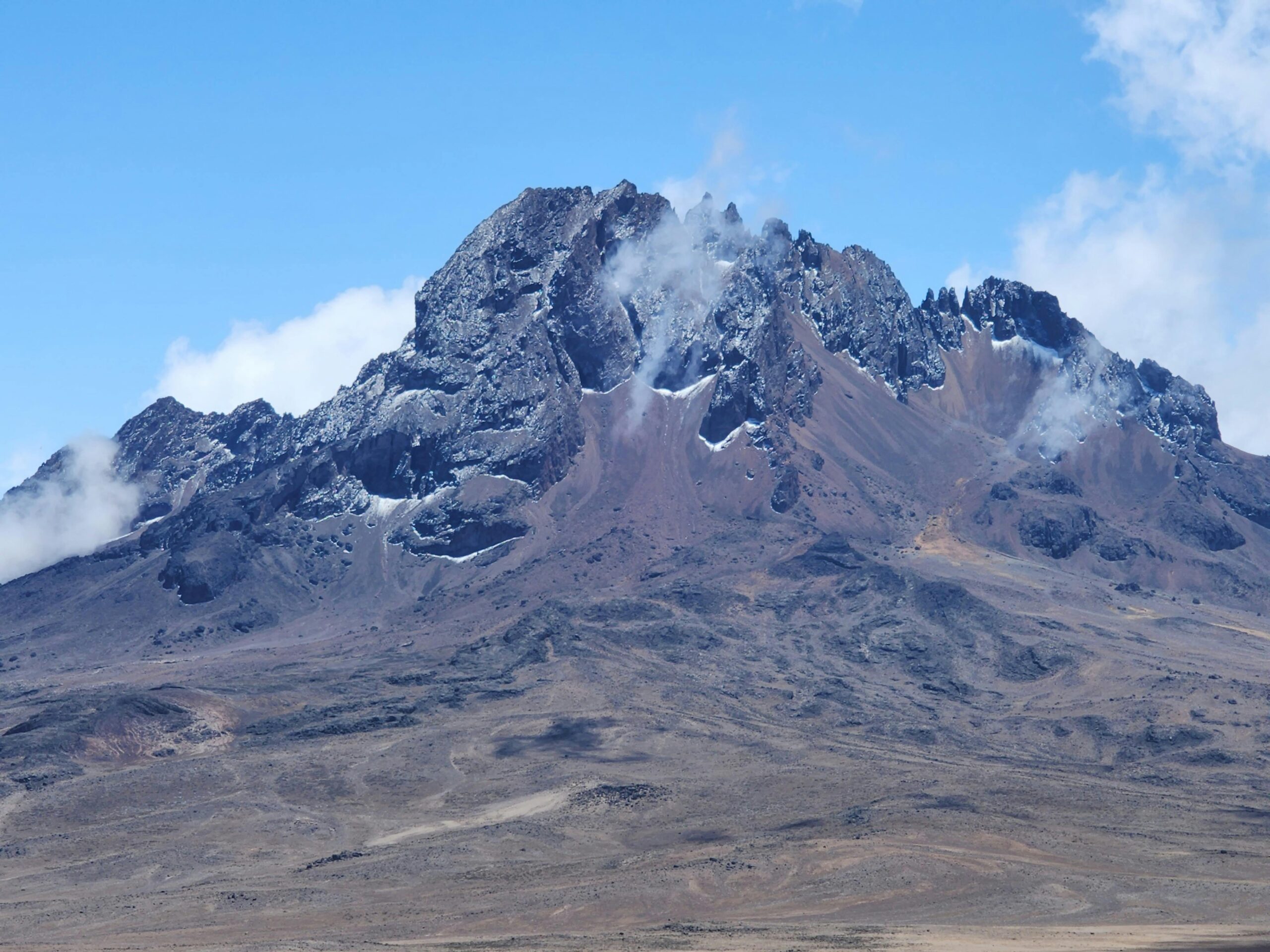
Overview of Mount Kilimanjaro
Climbing Mount Kilimanjaro is one of the most rewarding adventures in Africa. Standing at 5,895 meters (19,341 feet), Kilimanjaro is the highest mountain in Africa and the tallest free-standing mountain in the world.
Unlike many high-altitude mountains, Kilimanjaro does not require technical climbing skills, ropes, or mountaineering experience. However, reaching the summit still requires proper preparation, physical fitness, mental determination, and the right trekking route.
Every year, thousands of trekkers from around the world attempt to reach Uhuru Peak, the highest point on the African continent.
This comprehensive Kilimanjaro Climbing Guide covers everything you need to know for a successful climb in 2026, 2027, and 2028.
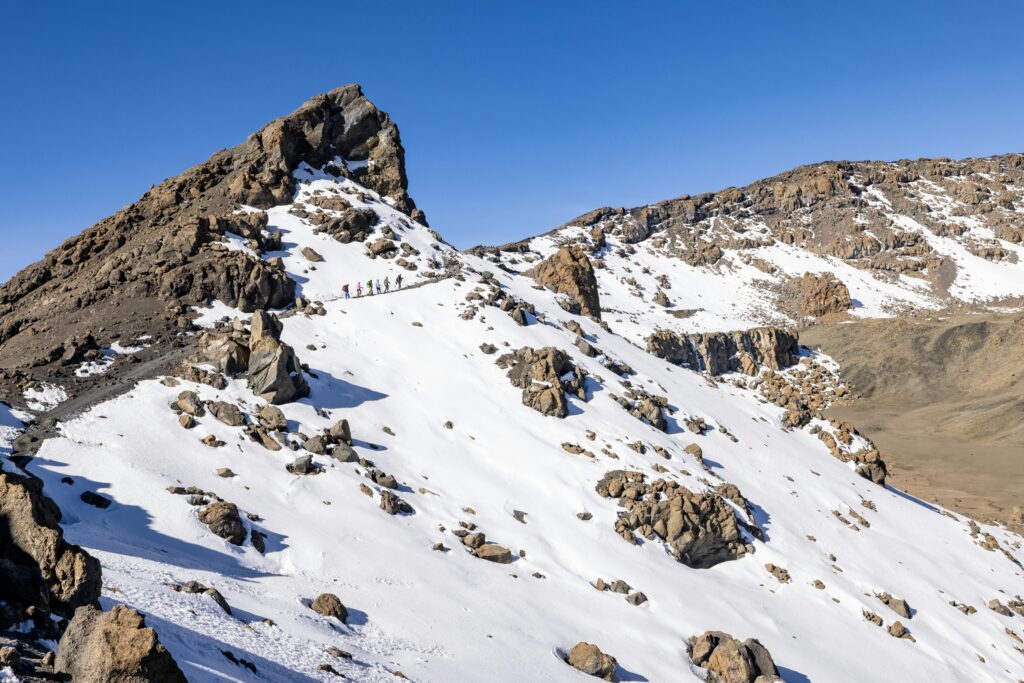
Why Climb Mount Kilimanjaro?
Mount Kilimanjaro offers a once-in-a-lifetime adventure through five distinct climate zones.
Reasons to Climb Kilimanjaro
- Reach the highest point in Africa
- Experience breathtaking scenery
- Trek through multiple ecosystems
- Challenge yourself physically and mentally
- Witness spectacular sunrises above the clouds
- Earn a world-famous summit achievement
Where is Mount Kilimanjaro Located?
Mount Kilimanjaro is located in northeastern Tanzania near the Kenyan border.
The mountain is protected within Kilimanjaro National Park, a UNESCO World Heritage Site and one of Tanzania’s most famous attractions.
Nearest Airport
- Kilimanjaro International Airport
Nearest Towns
- Moshi
- Arusha
How Difficult is Kilimanjaro?
Many people underestimate Kilimanjaro because it is considered a non-technical mountain.
While no climbing experience is required, the biggest challenge is altitude.
Main Challenges
- High altitude
- Long hiking days
- Cold temperatures
- Physical endurance
- Mental resilience
Most climbers who fail to reach the summit do so because of altitude sickness rather than lack of fitness.
Best Time to Climb Kilimanjaro
Kilimanjaro can be climbed year-round, but some months offer better weather conditions.
| Season | Months | Conditions |
|---|---|---|
| Peak Season | January – March | Clear skies and fewer crowds |
| Best Season | June – October | Dry weather and excellent visibility |
| Rainy Season | April – May | Wet and muddy conditions |
| Short Rains | November | Variable weather |
Recommended Months
- January
- February
- June
- July
- August
- September
- October
Kilimanjaro Climbing Routes
There are several routes leading to the summit, each offering a unique experience.
Machame Route
Known as the “Whiskey Route.”
Highlights
- Scenic landscapes
- Excellent acclimatization
- High summit success rate
Duration
- 6–7 Days
Lemosho Route
One of the most beautiful routes on Kilimanjaro.
Highlights
- Remote wilderness
- Excellent acclimatization
- High success rate
Duration
- 7–8 Days
Marangu Route
Known as the “Coca-Cola Route.”
Highlights
- Hut accommodation
- Shorter route
- Popular with beginners
Duration
- 5–6 Days
Rongai Route
Approaches Kilimanjaro from the northern side.
Highlights
- Fewer crowds
- Drier conditions
- Beautiful wilderness
Duration
- 6–7 Days
Northern Circuit Route
The longest and most successful route.
Highlights
- Highest success rate
- Outstanding acclimatization
- Incredible scenery
Duration
- 8–9 Days
Umbwe Route
The steepest and most challenging route.
Highlights
- Direct ascent
- Less crowded
- Suitable for experienced trekkers
Duration
- 6–7 Days
Altitude and Acclimatization
Altitude sickness is the most important factor affecting summit success.
Common Symptoms
- Headaches
- Nausea
- Fatigue
- Dizziness
- Difficulty sleeping
Acclimatization Tips
- Walk slowly
- Drink plenty of water
- Eat well
- Follow guide instructions
- Choose longer routes
The famous Kilimanjaro phrase is:
“Pole Pole”
This means “slowly slowly” in Swahili and is the key to successful acclimatization.
Physical Preparation for Kilimanjaro
You do not need to be an athlete, but good fitness significantly improves your experience.
Recommended Training
- Hiking
- Walking
- Stair climbing
- Running
- Cycling
- Strength training
Begin training at least 8–12 weeks before your climb.
Essential Kilimanjaro Gear
Clothing
- Thermal layers
- Waterproof jacket
- Waterproof pants
- Down jacket
- Hiking pants
- Gloves
- Warm hat
Footwear
- Waterproof hiking boots
- Camp shoes
- Hiking socks
Equipment
- Daypack
- Duffel bag
- Trekking poles
- Headlamp
- Sleeping bag
What Happens on Summit Night?
Summit night is the most challenging part of the climb.
Most climbers begin their summit attempt around midnight.
Typical Summit Schedule
- Midnight departure
- Slow ascent in darkness
- Reach Stella Point at sunrise
- Continue to Uhuru Peak
- Descend back to camp
Temperatures can drop below -20°C (-4°F).
Wildlife on Kilimanjaro
Wildlife is mostly found in the lower forest zones.
Animals You May See
- Blue monkeys
- Colobus monkeys
- Bushbucks
- Duikers
- Various bird species
Accommodation on Kilimanjaro
Accommodation depends on the chosen route.
Camping Routes
- Machame
- Lemosho
- Rongai
- Umbwe
- Northern Circuit
Hut Accommodation
- Marangu Route
Kilimanjaro Climb Cost
Costs vary depending on the route, duration, and service level.
Factors Affecting Price
- Park fees
- Route selection
- Number of days
- Group size
- Accommodation type
- Airport transfers
Longer routes generally have higher success rates and better acclimatization.
Safety on Kilimanjaro
Professional guides monitor climbers throughout the trek.
Safety Measures
- Daily health checks
- Oxygen monitoring
- Emergency evacuation procedures
- Trained mountain crew
- Portable oxygen availability
Always climb with a licensed Kilimanjaro operator.
What to Pack for Kilimanjaro
Must-Have Items
- Passport
- Waterproof clothing
- Warm layers
- Hiking boots
- Trekking poles
- Headlamp
- Sunglasses
- Sunscreen
- Water bottles
A complete packing list should be reviewed before departure.
Summit Success Tips
How to Increase Your Chances of Reaching Uhuru Peak
- Choose a longer route.
- Train before your climb.
- Stay hydrated.
- Walk slowly.
- Listen to your guides.
- Pack proper gear.
- Maintain a positive mindset.
Frequently Asked Questions
Do I need climbing experience?
No. Kilimanjaro is a trekking mountain and does not require technical climbing skills.
What is the best route for beginners?
The Lemosho Route and Machame Route are often recommended due to their excellent acclimatization profiles.
How cold does Kilimanjaro get?
Summit temperatures can fall below -20°C (-4°F).
Can children climb Kilimanjaro?
The minimum age requirement is generally 10 years old.
How long does it take to climb Kilimanjaro?
Most routes take between 5 and 9 days.
What is the summit called?
The summit of Kilimanjaro is called Uhuru Peak.
Why Climb Kilimanjaro With Africalittle5?
Africalittle5 offers professionally guided Kilimanjaro climbs with experienced mountain guides, quality equipment, and exceptional customer support.
Why Trekkers Choose Africalittle5
- Certified mountain guides
- High summit success rates
- Quality camping equipment
- Safety-focused operations
- Personalized trekking experiences
- Fair treatment of mountain crews
- Expert local knowledge
Start Your Kilimanjaro Adventure Today
Climbing Mount Kilimanjaro is more than reaching a summit—it is a journey through breathtaking landscapes, personal achievement, and one of Africa’s greatest adventures.
Whether you choose the Machame Route, Lemosho Route, Marangu Route, Rongai Route, Northern Circuit, or Umbwe Route, proper preparation and expert guidance will help you achieve your dream of standing on the Roof of Africa.
Contact Africalittle5 Today
Begin planning your Kilimanjaro climb for 2026, 2027, or 2028 and take the first step toward reaching the summit of Mount Kilimanjaro.


Hi, this is a comment.
To get started with moderating, editing, and deleting comments, please visit the Comments screen in the dashboard.
Commenter avatars come from Gravatar.